TREATMENTS
Treatment
Options
Treatment is most effective when guided by diagnosis—not just symptoms. Our approach focuses on identifying the primary pain generator and selecting interventions that support tissue health, function, and long-term outcomes.


How to Navigate Treatment Options
Treatments are organized by their role in care. Start by exploring a category to understand how different approaches are used. If you are unsure which direction is appropriate, evaluation and diagnostic clarity guide decision-making.


How Treatment Decisions Are Made
- Diagnosis guides treatment selection
- Not every condition requires intervention
- The goal is long-term function, not temporary relief
- Treatments may be diagnostic, restorative, or palliative
- Interventions are used when they meaningfully change outcomes
Explore Treatment Categories
Each category represents a different role in care. Treatments are often combined and sequenced based on diagnosis.

Regenerative Therapies

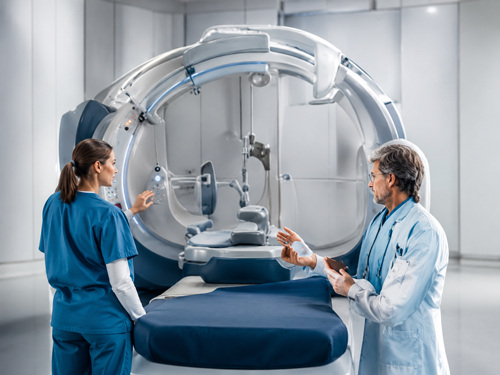
Diagnostic and Image-Guided Interventions

Conservative and Movement-Based Care

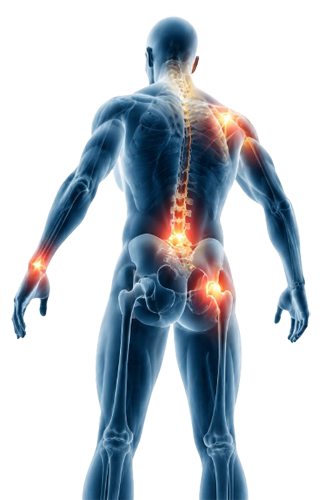
Manual & Movement-Based Therapies

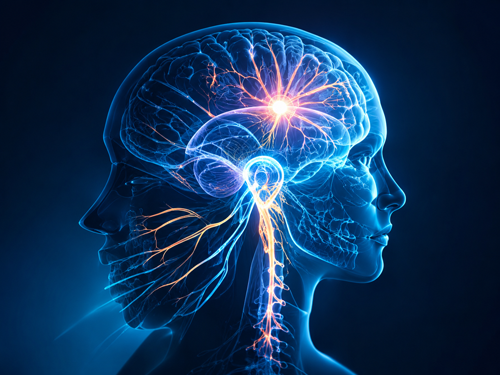
Nervous System–Focused Care


How To Think About Treatment Options
Not all pain requires procedural treatment
The same condition may be treated differently depending on severity and goals
Imaging findings alone do not determine treatment
Effective care often combines multiple approaches
Common Questions About Treatment Options
They serve different roles. Regenerative therapies aim to support tissue healing, while other interventions may reduce pain or assist in diagnosis.
When Treatment Alone Is Not Enough
In some cases, recovery requires more than procedures. Movement retraining, nervous system regulation, and long-term behavioral strategies are often necessary to sustain results.
Explore Treatment Categories
Learn more about the different approaches we use.
Take the Readiness Quiz
Find out if our approach is right for your condition.
Schedule a Discovery Call
Talk with our team and get answers to your questions.