
SPINE CONDITION

Elbow pain

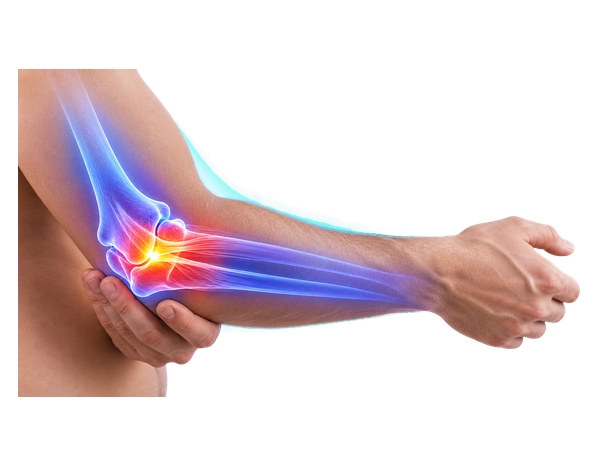
Elbow pain has a way of narrowing your grip on things — the handshake you used to not think twice about, the coffee mug you now hold with your other hand, a tennis or golf swing you've quietly stopped trying. It can come from the tendons, ligaments, nerve, joint, or capsule that make up your elbow, and it's one of the most common reasons people wait it out, assuming it'll fade like every other ache before it. But small changes can be the starting point of bigger problems years down the road, and treating your elbow upstream — before a tendon fully breaks down or the joint stiffens for good — can change that trajectory and keep surgery off the table. At Wellward, we don't guess based on where it hurts or what the MRI shows. We find the real source first.

Does This Sound Familiar?

Elbow pain can feel like a burning ache on the outside or inside of your joint, a numb or tingling ring finger and pinky, or a stiffness that keeps you from fully straightening your arm. It can flare with something as small as a handshake, a doorknob, or lifting a coffee pot.

It doesn't just change how you move. It changes how you work, how you play, how you pick up your kids or grip a steering wheel. When you start avoiding ordinary things because your elbow might not cooperate, it's time to get answers.

If several of the statements feel familiar, the next step is not guessing. It may be time for a more complete evaluation of what is actually driving your pain.

Do you…

If several of these feel familiar, the next step isn't guessing — it's a real answer.

  • Wince shaking hands, turning a doorknob, or lifting a coffee mug?
  • Notice your ring finger and pinky going numb or tingly, especially when your elbow's bent?
  • Avoid your tennis, golf, or pickleball swing because of a burning ache on one side of your elbow?
  • Struggle to fully straighten or bend your arm like you used to?
  • Feel like no one has fully explained why you feel as bad as you do?

What Causes Elbow Pain?

Elbow pain usually starts one of two ways: a specific overuse injury — one too many backhands, one too many reps at the gym — or the slow buildup of repetitive strain from typing, gripping, or throwing that finally catches up with you.

Either way, your body starts protecting itself: favoring your other arm, changing your grip, avoiding certain motions. That's a smart short-term response, but over time it just moves the strain somewhere else — often into your wrist or shoulder. And confusingly, where you feel it may not be where the real problem is.

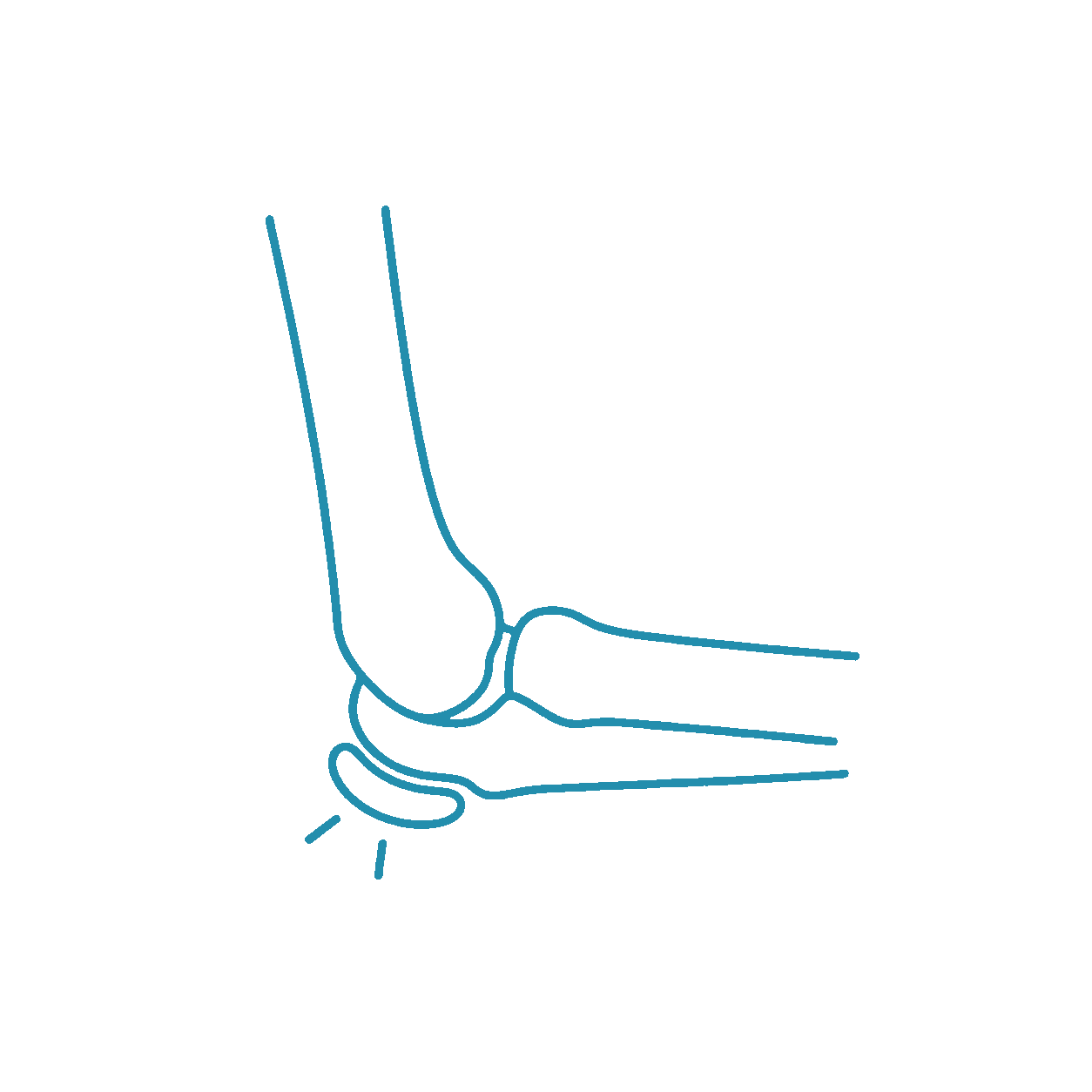
Bursa

The fluid-filled cushion at the tip of your elbow. Irritation or swelling here is one of the more visible, earliest signs that something's off.
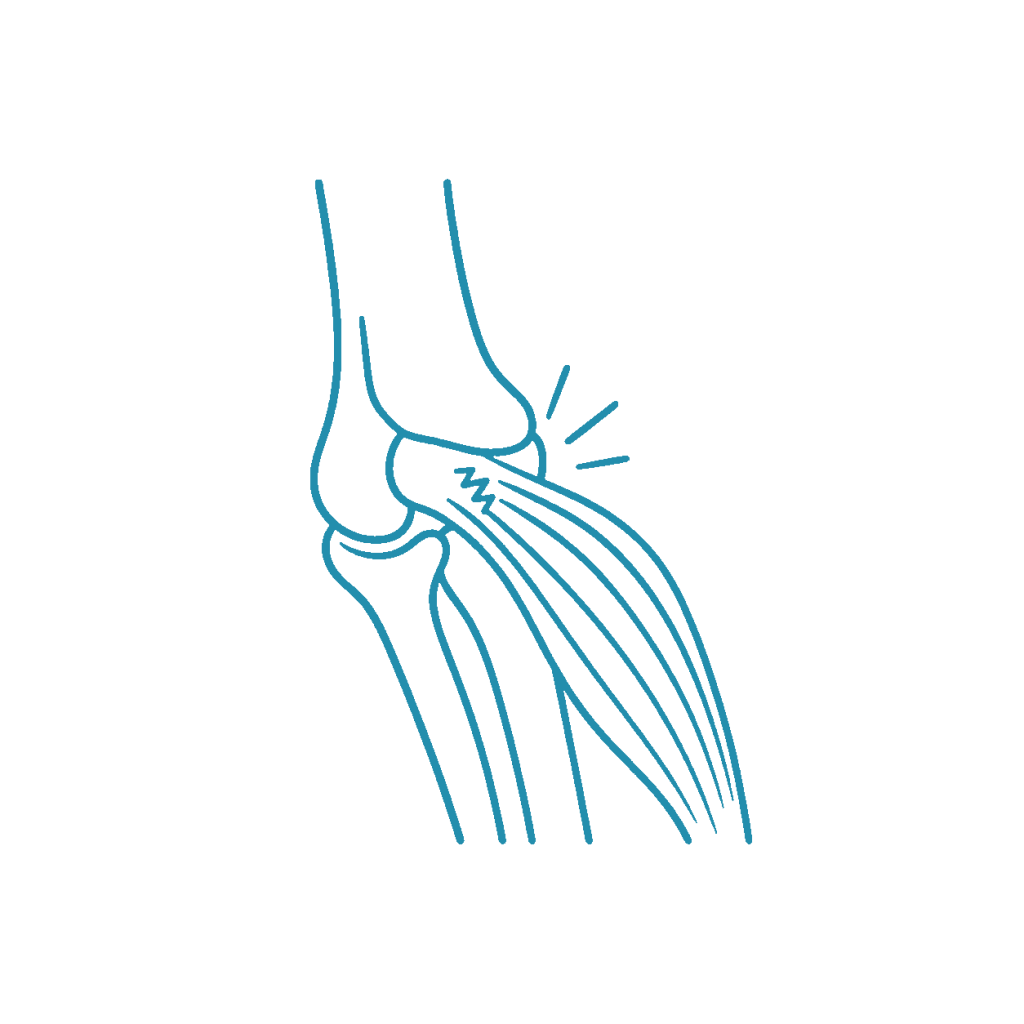
Outer Elbow Tendons

Tendons on the outer elbow anchoring your forearm muscles that move your wrist and fingers up. Left irritated long enough, they break down faster than they can repair — turning a nagging ache into a stubborn, months-long problem.
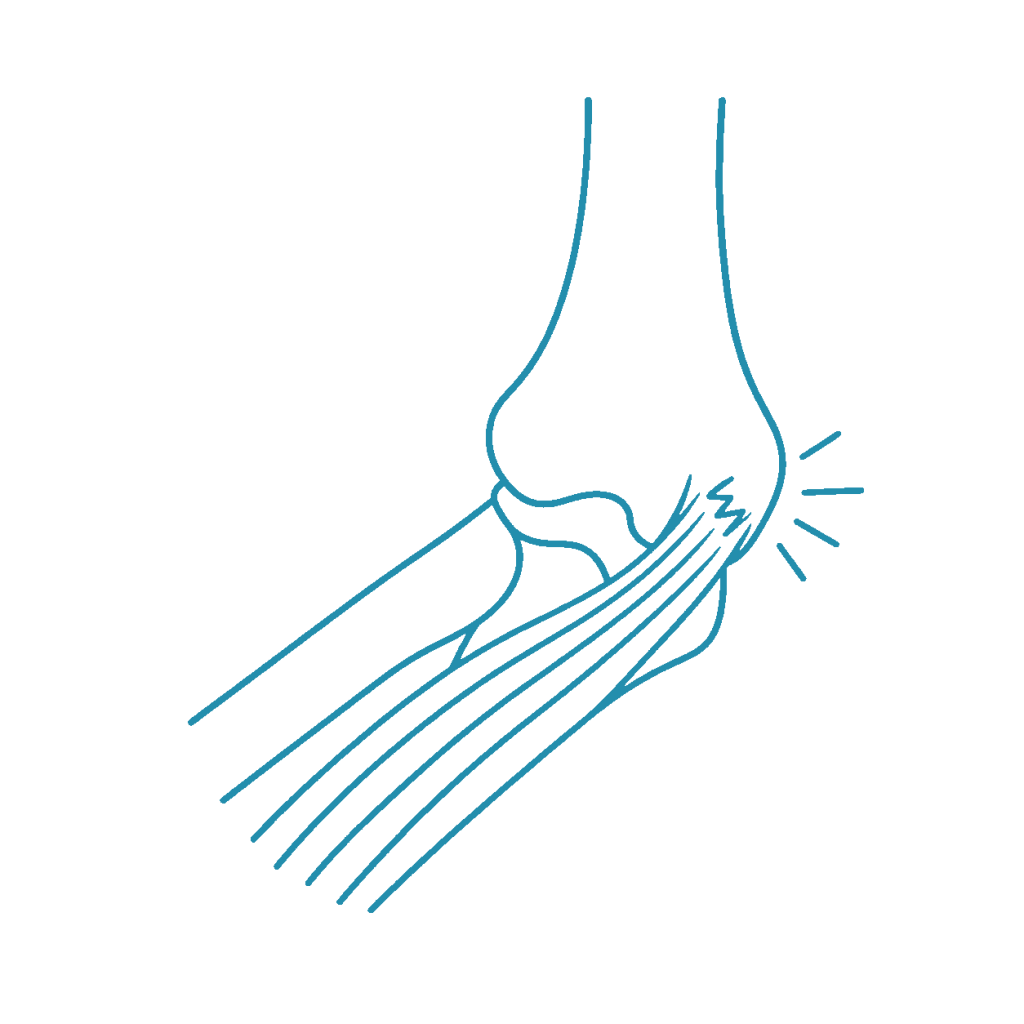
Inner Elbow Tendons

Inner elbow tendons follow the same pattern as the outer ones, but move the wrist and fingers down instead of up. Strained by repetitive gripping, throwing, or swinging, they can break down the same way — causing piercing pain when gripping or turning your hand over.
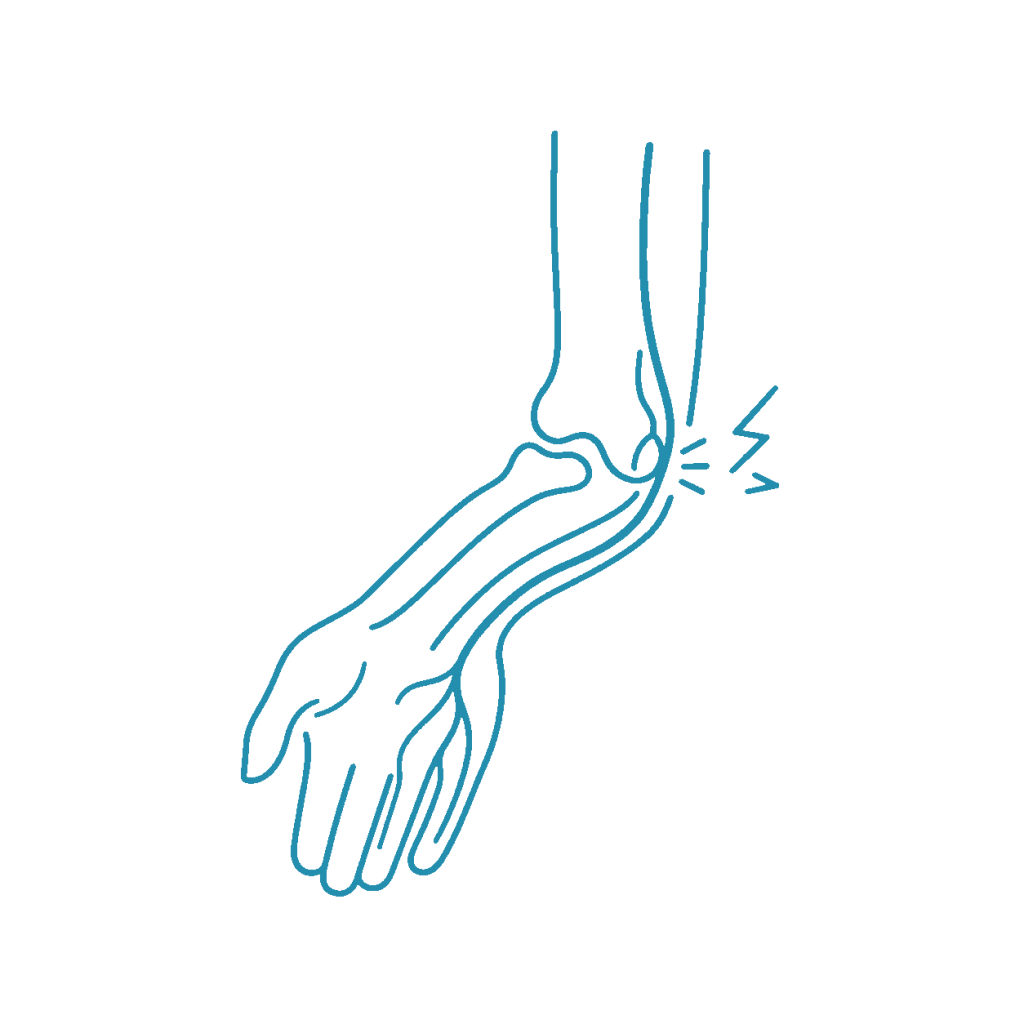
Ulnar Nerve

The nerve that runs along the inside of your elbow — the same one behind your "funny bone." Repeated pressure or a tight tunnel irritates and entraps the nerve in scarring, sending tingling or numbness into your ring and pinky fingers.
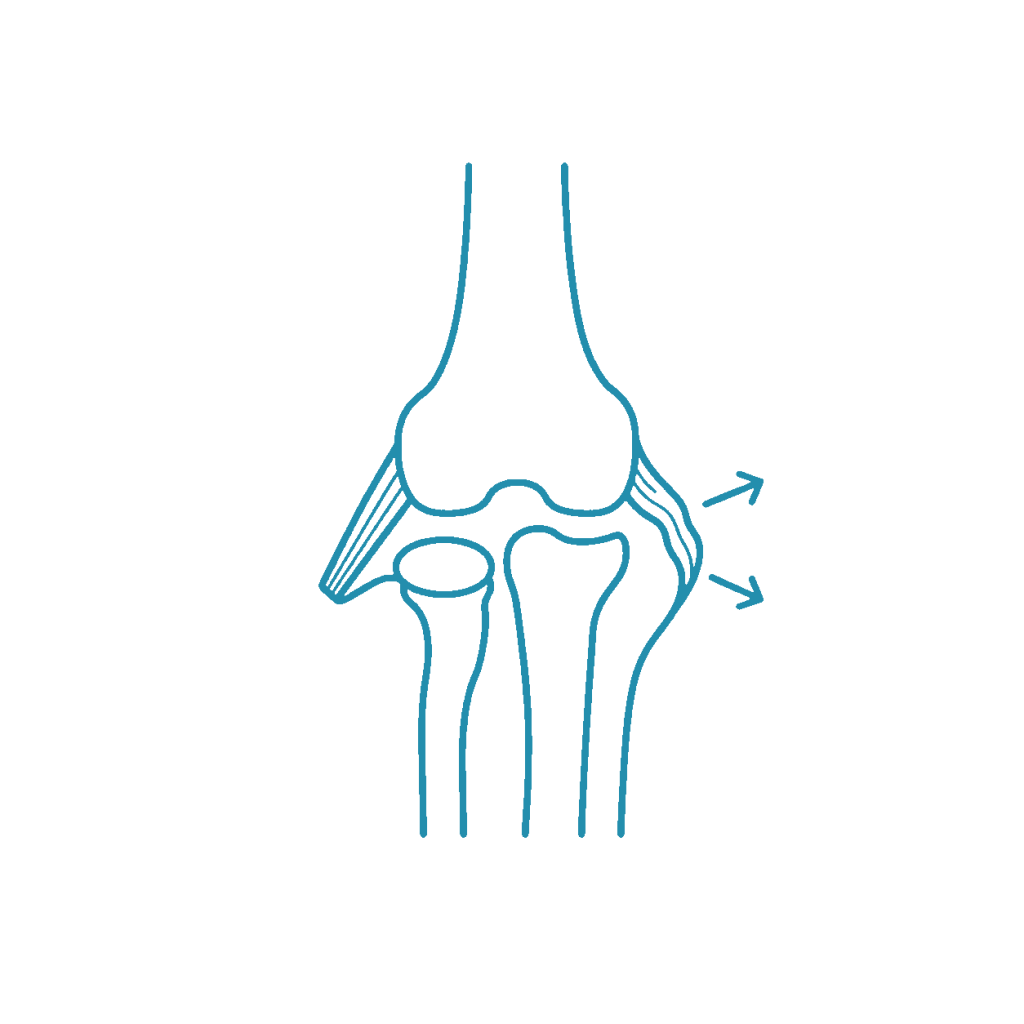
Ligament

The ligaments that stabilize your elbow during throwing or repetitive overhead motion. Once stretched or torn, the joint loses stability — and an unstable joint puts more stress on the tendons, which is often why they break down next.
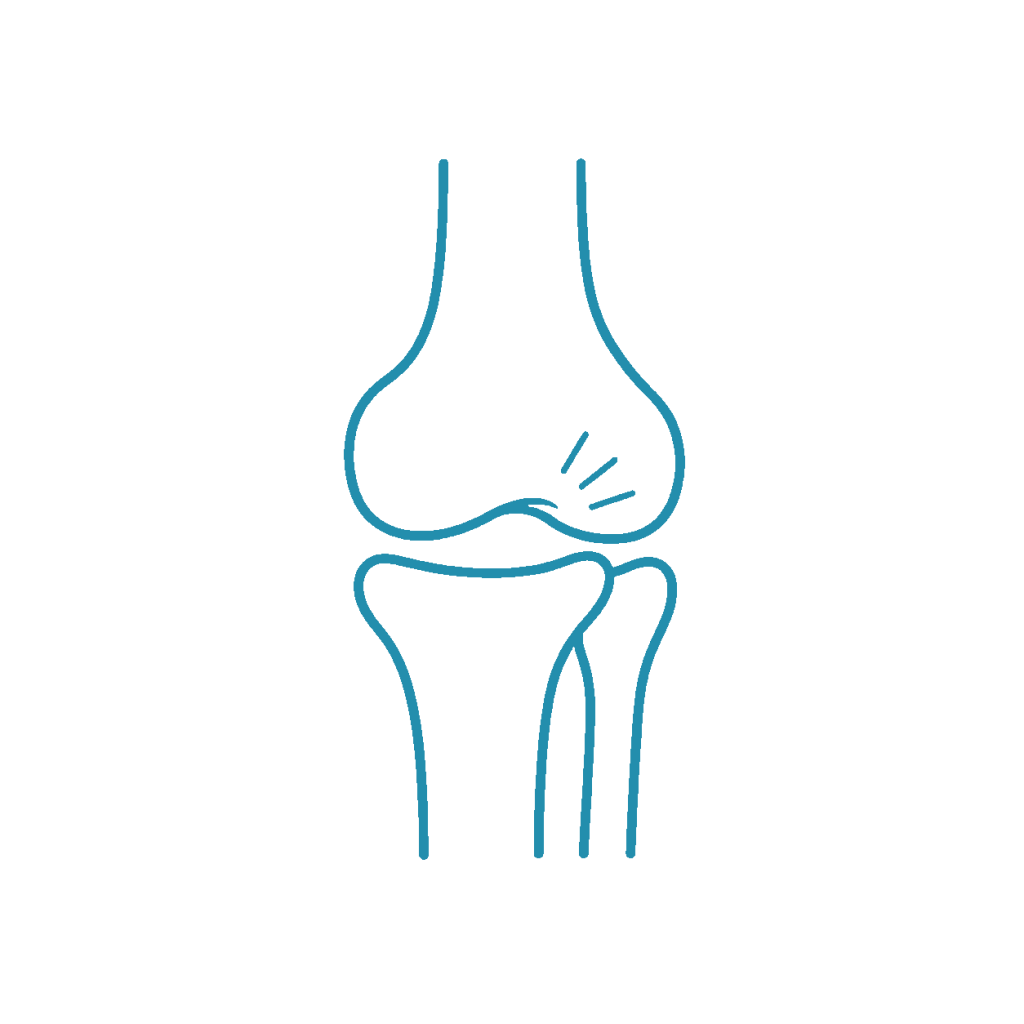
Cartilage & Joint Surfaces

Wear on the smooth cartilage where the bones meet. Less common here than in the shoulder, knee, or hip, but repeated strain or an old injury can accelerate it over time.
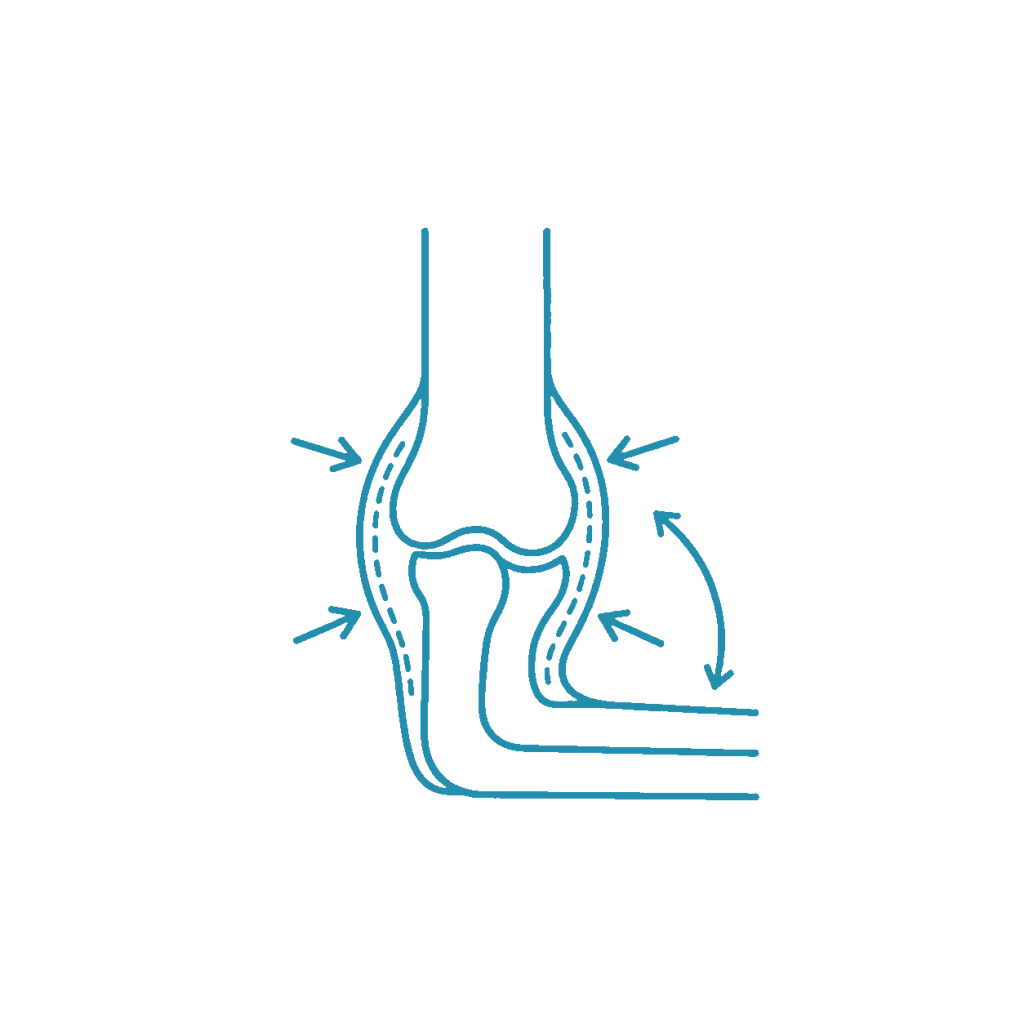
Joint Capsule

Quick to thicken and tighten after almost any injury or period of immobilization — part of why elbows are notorious for losing motion even from relatively minor problems.

Related Conditions

Elbow pain often starts as one thing — a strained tendon from an overzealous backhand, some swelling at the tip of your elbow — but a lot of these problems share the same root: repetitive strain that, left alone, doesn't just sit still. A tendon that never fully heals changes how you grip. A nerve that stays irritated stays irritated. A joint that's never given a break stiffens up. The conditions below often show up together or lead into each other rather than existing in isolation.

Elbow Pain

General pain, stiffness, or dysfunction in the elbow.

Learn More

Tennis Elbow (Lateral Epicondylitis)

Burning pain on the outside of the elbow, worse gripping or lifting with the palm down.

Learn More

Golfer's Elbow (Medial Epicondylitis)

The same story on the inside of the elbow, worse gripping or swinging.

Learn More

Cubital Tunnel Syndrome

Tingling or numbness in the ring and pinky fingers from a pinched ulnar nerve.

Learn More

UCL Sprain or Tear

Inner-elbow instability, common in throwers and overhead athletes.

Learn More

Olecranon Bursitis

Visible swelling at the tip of the elbow, sometimes with tenderness.

Learn More

Elbow Arthritis

Stiffness and grinding pain in the joint that builds over time.

Learn More

Elbow Stiffness (Post-Traumatic or Post-Surgical)

Loss of motion after an injury, fracture, or period of immobilization.

Learn More

How Wellward Evaluates Elbow Pain

Your elbow doesn't hurt without a reason — the trick is finding out which structure is actually responsible. We build every plan around four things:

Your Story

The motions that bring it on, what you've already tried, and what you want your arm to be able to do again.

Movement & Load

How you grip, throw, lift, and rotate — and which of those motions actually reproduce your pain.

Structure & Imaging

We look at your imaging in context, and when we need a closer look at a tendon, ligament, or nerve, live ultrasound [→ /diagnostics/ (Diagnostic Ultrasound)] lets us actually watch it move in real time.

Pain Mapping

Instead of assuming it's tennis elbow just because that's where it hurts, we test the actual structures directly [→ /diagnostics/ (Pain Mapping)] with targeted diagnostic injections until we know — not guess — what's responsible.

Treatment Pathways

Your plan follows your diagnosis, not the other way around.

Conservative

For most elbow pain, rehab and hands-on manual therapy [→ /manual-movement-based-therapies/] — targeted strengthening, activity modification, bracing — comes first. When that's not enough, we add nerve blocks, joint injections, or other targeted procedures [→ /interventional-pain/] to break the cycle or help scarring break down.

Regenerative

When a tendon or ligament genuinely needs help healing rather than just resting, we can draw your own cells same-day and pair them with PRP or other orthobiologic injections [→ /regenerative-therapies/] to support real tissue repair — offered once your evaluation confirms it's the right fit, not as a default.

What Patients Experience

Real stories. Real outcomes.

Patient testimonial will be placed here.

John Carter
Businessman

Patient testimonial will be placed here.

John Carter
Businessman

Broader Support When Pain Goes Deeper

Global module — see style guide for card links. Only the intro line below is elbow-specific.

When elbow pain is persistent or life feels limited, additional support can help.

Warrior Program

Advanced support for complex tissue, nervous system sensitization, and persistent pain.

Learn More

Pain Coaching

One-on-one coaching to build resilience, improve habits, and restore confidence.

Learn More

Neural Reset Program

A science-based program to calm the nervous system and reduce chronic pain signals.

Learn More

Surgery or Urgent Evaluation

In some cases, surgery or urgent evaluation may be the safest or most appropriate path. We will help you understand all options

Learn More

Common Questions About Elbow Pain

How soon can I get in to be seen?

Most new patients can schedule a discovery call within one business day. We know how derailing pain can be, so we work hard to get you seen within a week.

How much does elbow pain treatment cost, and is it covered by insurance?

It depends on your diagnosis and what's recommended. Diagnostic and conservative care is often covered by insurance, while some regenerative and stem cell therapies are not. We'll walk through your options and costs on your discovery call, so there are no surprises before you start.

Can an MRI be normal with elbow pain?

Yes. Imaging is a helpful piece of the picture, but it doesn't always explain pain. Tendon and nerve problems especially can be present without showing up clearly on MRI. That's why we don't rely on imaging alone — it's one input into Pain Mapping, not the whole answer.

Does stem cell therapy work for tennis elbow or golfer's elbow?

For the right candidate, yes — these tendon problems often respond well to regenerative approaches, since the issue is usually about healing, not just inflammation. It's still evaluated case by case to confirm your tissue and goals actually support it.

Why does my elbow pain make my fingers go numb?

That's usually the ulnar nerve — the same one behind your "funny bone" — getting irritated as it passes through your elbow. It's a different problem than tennis or golfer's elbow, even though the pain can start in a similar spot, which is exactly why Pain Mapping tests the nerve and the tendons separately instead of assuming.

Is elbow surgery ever necessary?

Usually only when there's a significant tendon or ligament tear, real nerve compression that isn't improving, advanced arthritis, or when conservative and regenerative care genuinely hasn't moved the needle. Every case is different, and we'll be straight with you about which one you're in.

Ready to Understand What Is Driving Your Elbow pain?

Take the next step toward lasting relief.

Take the Readiness Quiz

Find out if our approach is right for your condition.

Schedule a Discovery Call

Talk with our team and get answers to your questions.

Ready to Find Out What's Really Driving Your Elbow Pain?

Take the next step toward a handshake that doesn't make you wince.