


SPINE CONDITION
Nerve & Complex Pain
Pain that continues long after an injury should have healed, a burning or electric sensation that doesn't match anything on your scan, a body that reacts to touch or temperature in ways it never used to — nerve pain is complex. It's one of the most misunderstood kinds of pain, because it doesn't always follow the rules of a typical injury — and that mismatch is exactly why it's so often dismissed or mismanaged. But identifying it early, before a sensitized nervous system fully entrenches a pain pattern, can meaningfully change the trajectory. At Wellward, we don't guess based on where it hurts or what the MRI shows. We find the real source first — nerve and nervous system included.


Does This Sound Familiar?
Nerve and complex pain can feel like burning, electric shocks, pins and needles, an uncomfortable numbness or pain that's out of proportion to anything visible. It can spread beyond where an original injury was, or flare with stress, weather, or seemingly nothing at all.
It doesn't just change how you move. It changes how you sleep, your mood, your relationships, your trust in your own body. When you've been told "everything looks normal" one too many times, it's time for a different kind of evaluation.
If several of the statements feel familiar, the next step is not guessing. It may be time for a more complete evaluation of what is actually driving your pain.
Do you…
If several of these feel familiar, the next step isn't guessing — it's a real answer.
- Have diabetes and noticed numbness, tingling, or burning creeping into your feet or hands?
- Have pain that's burning, electric, or shooting rather than a typical ache?
- Notice pain spreading beyond where the original injury was?
- Feel pain from things that shouldn't hurt — light touch, a sock, a light breeze?
- Been told your imaging or bloodwork is "normal" despite how you feel?
- Feel like no one has fully explained why you feel as bad as you do?
What Causes Nerve & Complex Pain?
Complex and nerve-related pain usually starts with a real injury or medical event — diabetes is the most common one we see, followed by surgery, trauma, shingles, or a compressed nerve — but doesn't follow that injury's normal healing timeline.
Instead, the nervous system itself can change: it gets more efficient at sending pain signals, more sensitive to normal input, and slower to turn itself back down. That's not "in your head" — it's a physical change in how nerves and the brain process signals. Left alone, that sensitization tends to deepen and spread rather than resolve on its own. And confusingly, where you feel it may not be where the problem actually started.

Peripheral Nerve Entrapment
A specific nerve compressed or irritated at a specific location, causing pain that follows that nerve's path.
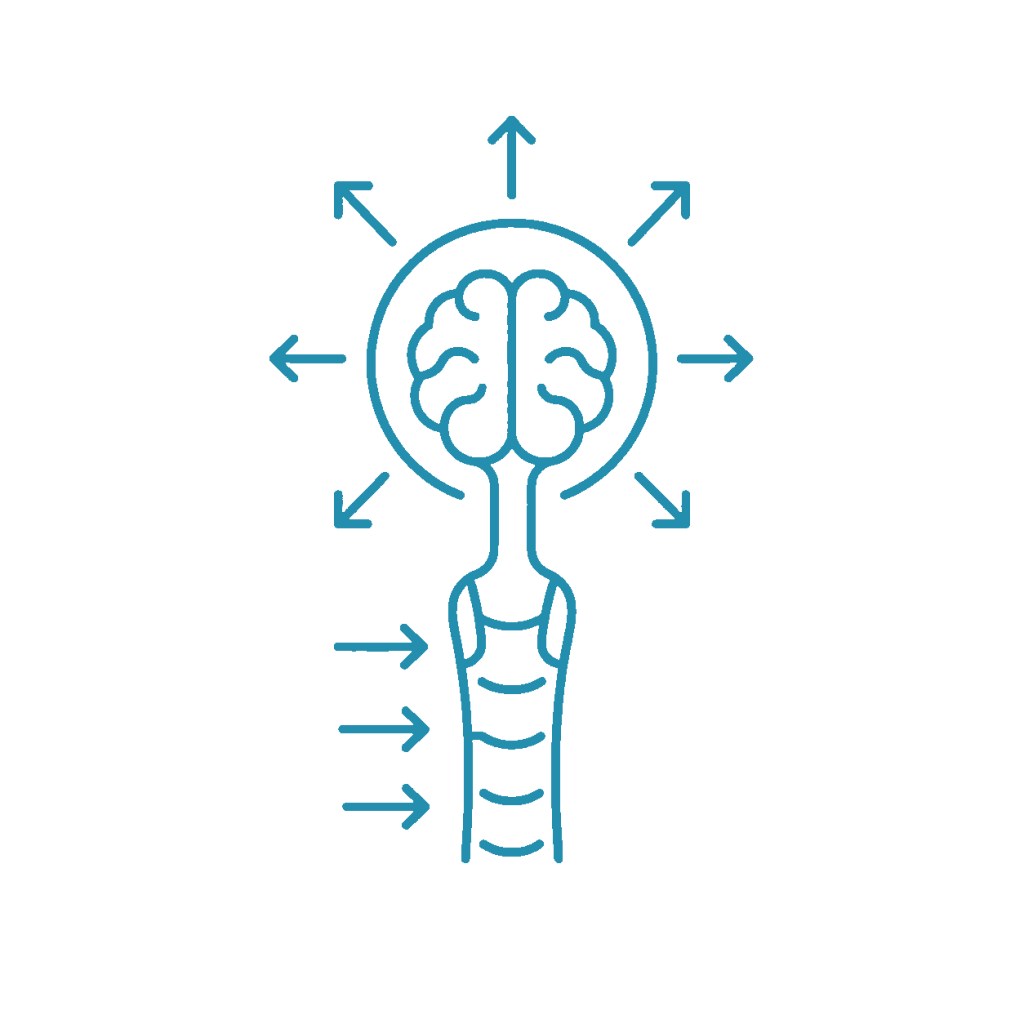
Central Sensitization
The nervous system itself becomes more sensitive over time, amplifying pain signals beyond what the original injury would explain.
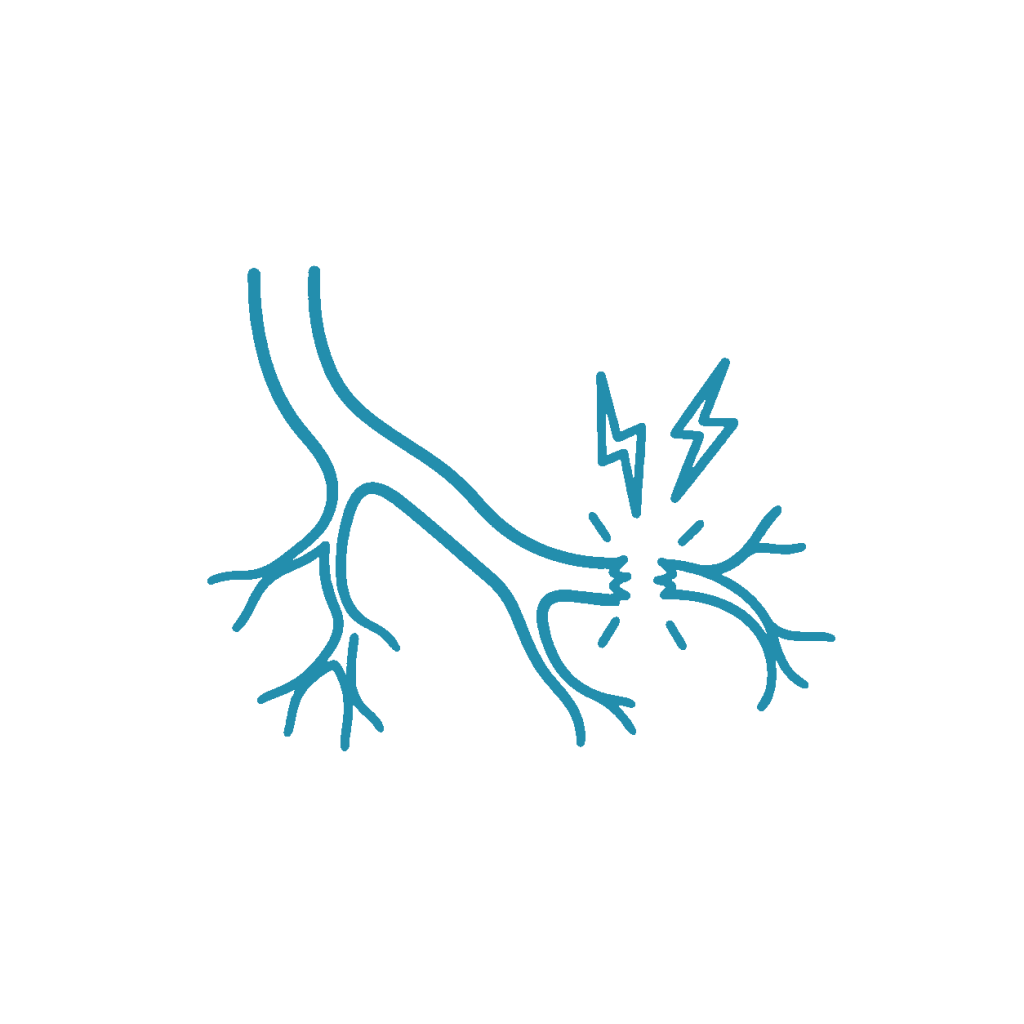
Neuropathic Pain (Nerve Damage)
Pain from a nerve that's been directly injured or damaged, often described as burning, electric, or shooting. Diabetes is by far the most common cause we see, though injury, chemotherapy, and other conditions can also be responsible.
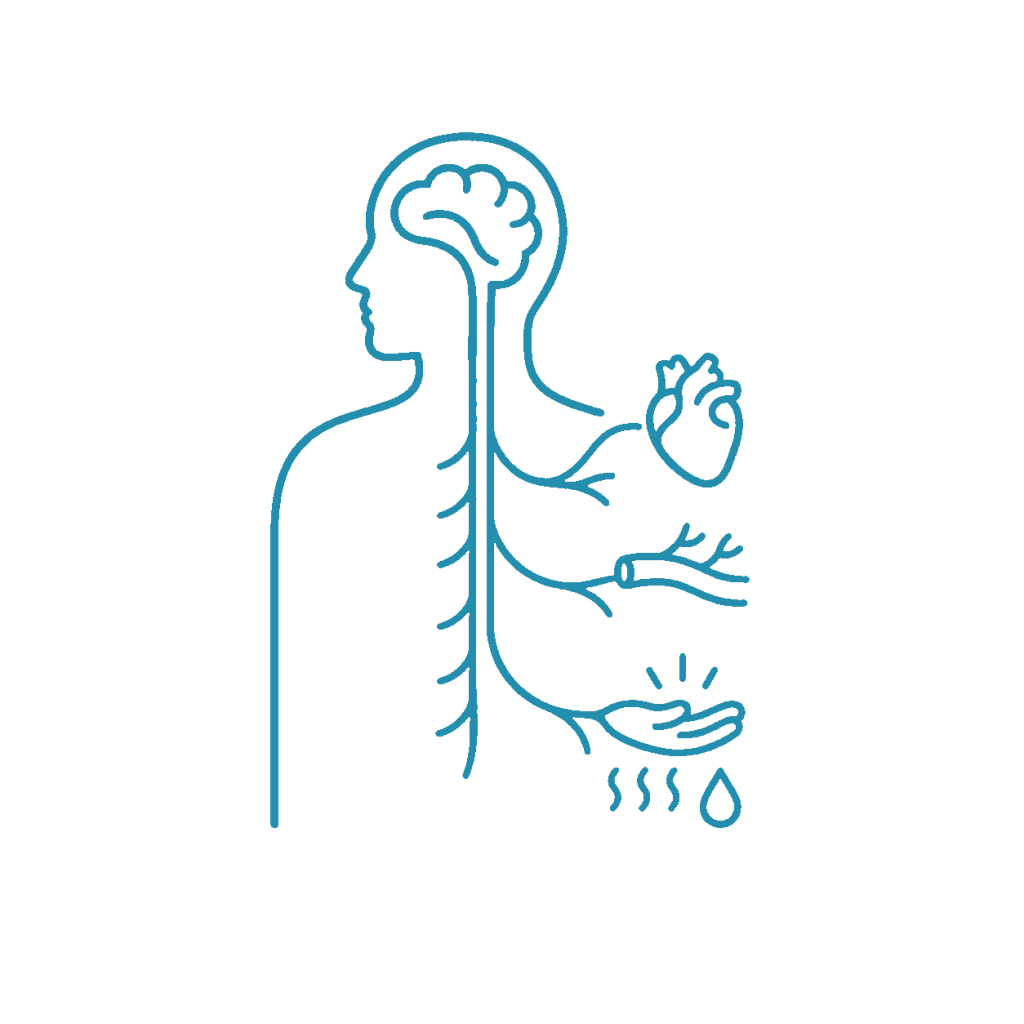
Autonomic Nerve Problems
Autonomic nerves are your autopilot. They control processes — blood vessel tone, inflammatory response, fight-or-flight reflexes — that we don't think about. Damage here translates to a lot of problems often taken for granted: skin color, temperature, and sensitivity in the area.

Small Fiber Neuropathy
Damage to the smallest nerve fibers, often causing burning pain and sensitivity that standard nerve tests can miss.
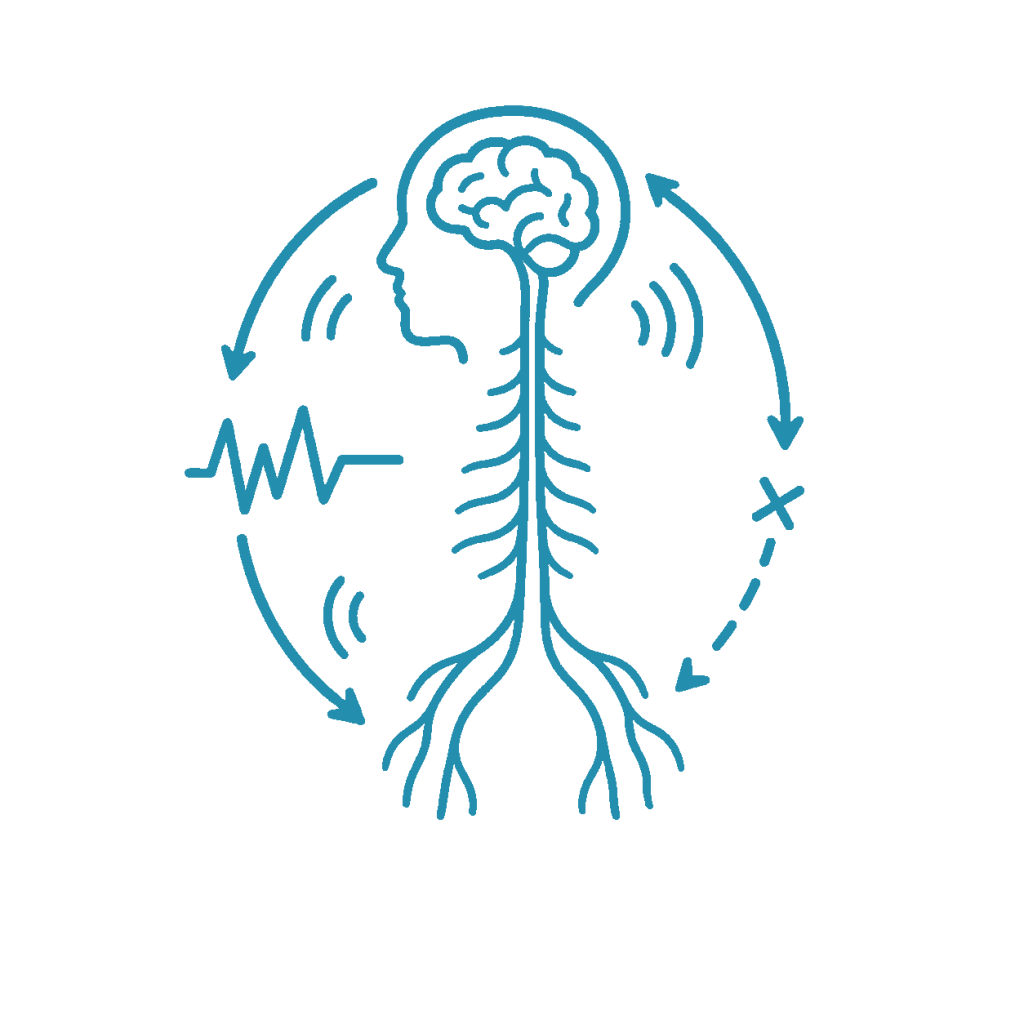
Nervous System Dysregulation
A nervous system stuck in a heightened alert state, which can amplify pain and interfere with healing throughout the body.

Related Conditions
Nerve and complex pain isn't one diagnosis — it's an umbrella that covers nerve entrapment, nerve damage, and whole-nervous-system sensitization, and these require very different treatment approaches despite sometimes feeling similar. That overlap is exactly why so many people end up on a revolving door of medications that dull the pain without ever addressing what's actually driving it.
Diabetic Neuropathy
Numbness, tingling, or burning that starts in the feet and creeps upward — the most common nerve condition we see, and one of the most common complications of diabetes overall.
Peripheral Neuropathy
Numbness, tingling, or burning, often in the hands or feet, from causes other than diabetes.
Complex Regional Pain Syndrome (CRPS)
Severe pain with changes in skin color, temperature, or sensitivity, usually after an injury.
Small Fiber Neuropathy
Burning pain and sensitivity often missed by standard nerve testing.
Post-Herpetic Neuralgia
Persistent nerve pain following a shingles outbreak.
Carpal Tunnel Syndrome
Numbness or tingling in the thumb, index, and middle fingers from a compressed median nerve at the wrist, often worse at night.
Tarsal Tunnel Syndrome
Burning or tingling on the bottom of the foot from a compressed nerve near the ankle.
Morton's Neuroma
Burning pain or a sense of a "pebble in your shoe" between the toes, from irritation of a nerve in the foot.
Chronic Nerve Entrapment Syndromes
Ongoing pain from a specific nerve compressed at a specific site, beyond the common patterns above.
How Wellward Evaluates Nerve & Complex Pain
Nerve and complex pain requires a different kind of evaluation than a straightforward joint or muscle injury — we're assessing the nervous system itself, not just a single structure. Every plan is built on four things:Your Story
Your full history — the original injury or event, how the pain has evolved, what's been tried, and how it's affecting your life.

Movement & Load
How your pain responds to movement, touch, temperature, and stress — patterns that point toward nerve involvement or sensitization.

Structure & Imaging
We review your imaging in context, and when we need a closer look at a specific nerve, live ultrasound [→ /diagnostics/ (Diagnostic Ultrasound)] can help identify entrapment or structural irritation.

Pain Mapping
Instead of assuming it's "just nerve pain," we test the actual structures and pathways directly [→ /diagnostics/ (Pain Mapping)] to distinguish entrapment, nerve damage, and central sensitization from each other — because each needs a different plan.
Treatment Pathways
Because nerve and complex pain has several distinct root causes, treatment is highly individualized — there's no single nerve pain protocol.
Conservative
For sensitization and nervous-system-driven pain, nervous system-focused care [→ /treatments/neural_reset/ (Neural Reset & Mental Health)] and rehab-based desensitization strategies are often the foundation. When a specific nerve is entrapped or irritated, we add targeted nerve blocks or hydrodissection [→ /interventional-pain/] to calm it directly.
Regenerative
For nerve injury where the tissue itself may benefit from support healing, we can draw your own cells same-day and pair them with PRP or other orthobiologic injections [→ /regenerative-therapies/] — used selectively, once your evaluation confirms it's actually appropriate for a nerve-based diagnosis.
What Patients Experience
Real stories. Real outcomes.
Patient testimonial will be placed here.

Broader Support When Pain Goes Deeper
Complex and nerve pain especially benefits from more than procedures alone — this is where our deeper support programs, particularly the Warrior Program and Neural Reset Program, matter most.
Warrior Program
Advanced support for complex tissue, nervous system sensitization, and persistent pain.
Pain Coaching
One-on-one coaching to build resilience, improve habits, and restore confidence.

Neural Reset Program
A science-based program to calm the nervous system and reduce chronic pain signals.

Surgery or Urgent Evaluation
In some cases, surgery or urgent evaluation may be the safest or most appropriate path. We will help you understand all options
Common Questions About Nerve & Complex Pain
Most new patients can schedule a discovery call within one business day. We know how derailing pain can be, so we work hard to get you seen within a week.
It depends on your diagnosis and what's recommended. Diagnostic and conservative care is often covered by insurance, while some regenerative therapies are not. We'll walk through your options and costs on your discovery call, so there are no surprises before you start.
It can, especially if blood sugar stays poorly controlled or the nerve damage goes unmonitored. But "it'll just keep getting worse" isn't the whole story — evaluating exactly which nerves are involved and how far it's progressed opens up treatment options beyond just managing blood sugar and waiting.
Yes, often. Central sensitization and small fiber neuropathy in particular frequently don't show up on standard imaging or nerve conduction studies. A normal scan doesn't mean the pain isn't real or explainable — it just means the source needs a different kind of evaluation, which is what Pain Mapping is for.
That's often a sign of central sensitization — your nervous system becoming more reactive over time and widening the area it interprets as painful. It's a real physiological change, not an exaggeration, and it's treatable once identified.
For select nerve injuries, it may support healing — but a lot of complex pain is about nervous system sensitization rather than tissue damage, which responds to a different approach entirely. Your evaluation determines which category you're actually in.
Ready to Understand What Is Driving Your Nerve & Complex Pain?
Take the next step toward lasting relief.
Take the Readiness Quiz
Find out if our approach is right for your condition.
Schedule a Discovery Call
Talk with our team and get answers to your questions.
Ready to Find Out What's Really Driving Your Nerve or Complex Pain?
Take the next step toward a nervous system that isn't working against you.