DECISION GUIDE—BACK SURGERY ALTERNATIVES

Back Surgery
Alternatives

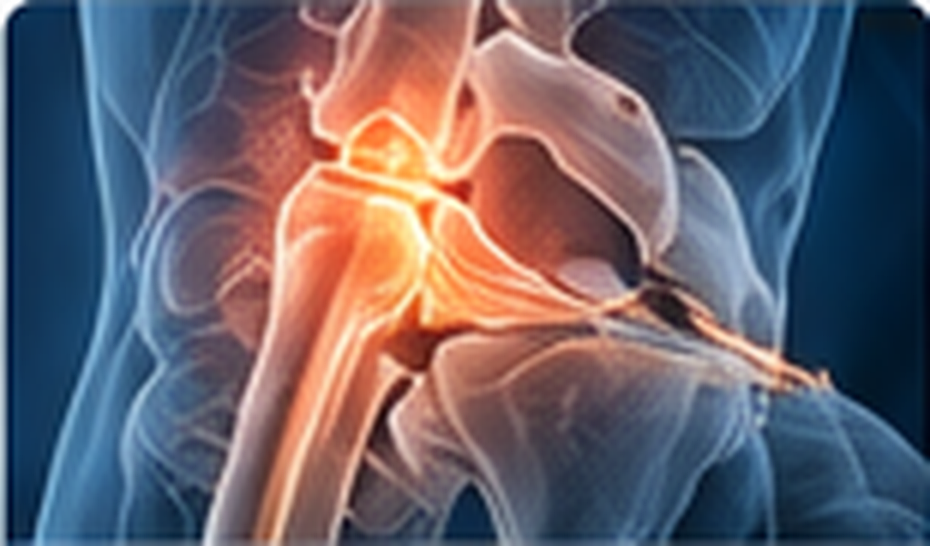
Being told that back surgery may be an option does not always mean it is the only reasonable next step. Back pain can come from discs, joints, nerves, ligaments, stenosis, instability, the sacroiliac region, or several structures at once. The first step is determining which problem actually needs to be solved—and whether it can reasonably be addressed without open surgery.

Common Reasons People Consider Back Surgery

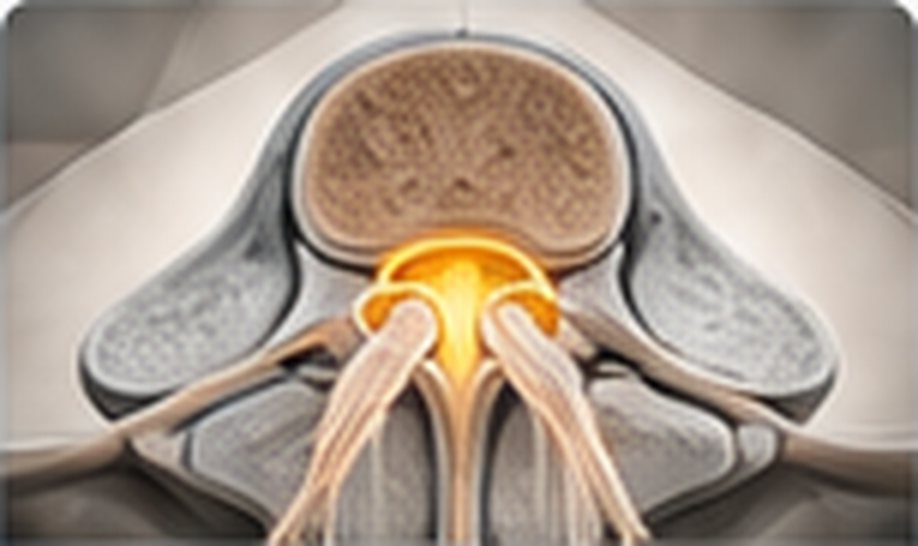
Back pain can have many different sources. Identifying the true cause helps us determine whether surgery is necessary or whether there are other effective options.

Disc problems
(herniation or
degeneration)

Spinal stenosis
(narrowing)
Facet joint
pain
Nerve compression
(sciatica)
Instability
Sacroiliac
joint pain

When Surgery May Be the Right Answer

Progressive weakness, severe or worsening nerve compression, major instability, fracture, infection, loss of bowel or bladder control, or another urgent structural problem may require surgical evaluation. Non-surgical care should not delay treatment when neurologic function or structural safety is at risk.

What We Look for Before You Decide

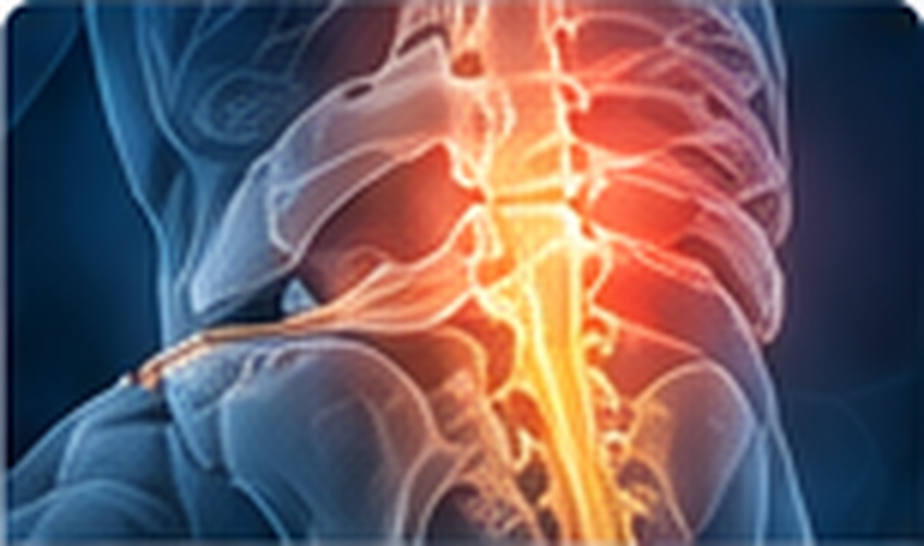
Imaging is important, but common degenerative findings do not always identify the pain source. Pain Mapping helps connect symptoms, examination, movement, imaging, and diagnostic procedures so treatment is directed toward the structure that matters.

What Alternatives May Include

The right plan depends on the source of pain, the structures involved, and your goals.

Epidural or Nerve
Treatment

Targeted epidural or nerve treatment when inflammation or nerve irritation is prominent.

Medial Branch Blocks
& Radiofrequency
Ablation

For selected facet-mediated back pain.

MILD for Spinal Stenosis

Minimally invasive lumbar decompression for selected lumbar spinal stenosis.

BVNA for Endplate Pain

For selected vertebral endplate pain associated with Modic changes on MRI.

Regenerative
Spine Care

PRP or other regenerative treatment when a disc, ligament, joint, or instability remains a reasonable biological target.

Manual & Movement-
Based Care

To restore capacity and reduce recurrent loading.

Fusion Alternatives Depend on
Why Fusion Was Recommended

A patient considering lumbar fusion for instability is different from someone considering decompression for stenosis or surgery for a large disc herniation. The useful question is not simply “What replaces surgery?” but “What problem was surgery intended to solve, and is there another reasonable way to solve it?”

Pain Mapping Is More Than
Another Injection

A traditional interventional injection usually answers a focused question. Pain Mapping uses those responses more systematically. It combines examination, movement, imaging, and carefully selected diagnostic procedures to build a structure-by-structure picture of which contributors matter most—valuable whether the final path is non-surgical or surgical.

Persistent Pain After Surgery
Does Not Always Mean the Surgery
Was Wrong

A technically successful operation can correct one important problem while another pain generator remains. A disc, facet joint, sacroiliac region, ligament, nerve, or neighboring level may have been contributing at the same time. This is why we try to characterize the pain as completely as possible before a major operation—and why Pain Mapping may still be useful when pain persists afterward.

Sometimes the Best Alternative Is Better
Preparation for Surgery

Regenerative care and surgery do not have to be competing philosophies. When a repairable disc, ligament, joint capsule, or surrounding structure is part of the problem, regenerative treatment may sometimes be used to support tissue health before or after a surgical procedure. It cannot replace decompression or stabilization when those are mechanically necessary, but it may help address tissue problems the operation was not designed to repair.

Related Paths

  • Spine Conditions →
  • Diagnostics & Pain Mapping →
  • Back Pain & Spine: PRP & Regenerative Treatment →
  • Epidural Injections →
  • MILD (Minimally Invasive Lumbar Decompression) →
  • BVNA (Basivertebral Nerve Ablation) →
  • Medial Branch Blocks & Radiofrequency Ablation →

What We Hope You Take Away

The goal is not to replace spine surgery. It is to make sure the right problem is being solved—and to identify the additional structures, biology, and recovery needs that may influence the outcome.
BEFORE YOU CHOOSE BACK SURGERY, CLARIFY THE TARGET

Find Clarity About Your Next Step

A more precise diagnosis can help determine whether a less invasive path remains reasonable—or confirm whether surgery is truly the better next step.