Chronic tendon pain is not always an inflammation problem. Sometimes the tendon has enough structure to heal but lacks the biological push to finish the job. In other cases, a focal area of scarred, calcified, or poorly organized tissue has become part of what is preventing healthier tendon from taking over.
PRP and percutaneous tenotomy are used for different purposes. Depending on the tendon and the stage of degeneration, either treatment may be used alone—or the two may be combined or staged.
What PRP Does
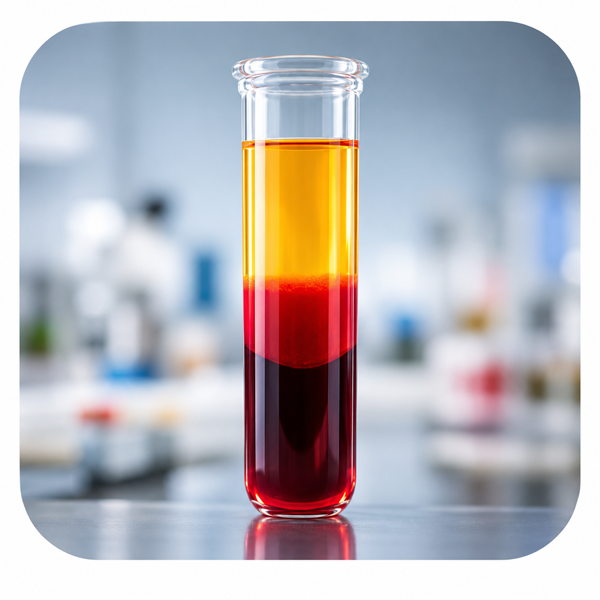
PRP uses a preparation made from your own blood to concentrate platelets and healing signals around selected tendon tissue. If tenotomy is the “tilling,” PRP is closer to adding the biological signals that help the prepared tissue organize a new healing response. It may be useful when the tendon remains structurally salvageable but has stalled in a chronic degenerative state.
Uses your own blood (platelets and growth factors)
Supports the body’s healing response
Aims to improve tendon quality and environment
Often used for degenerative or overuse tendons
What Percutaneous Tenotomy Does
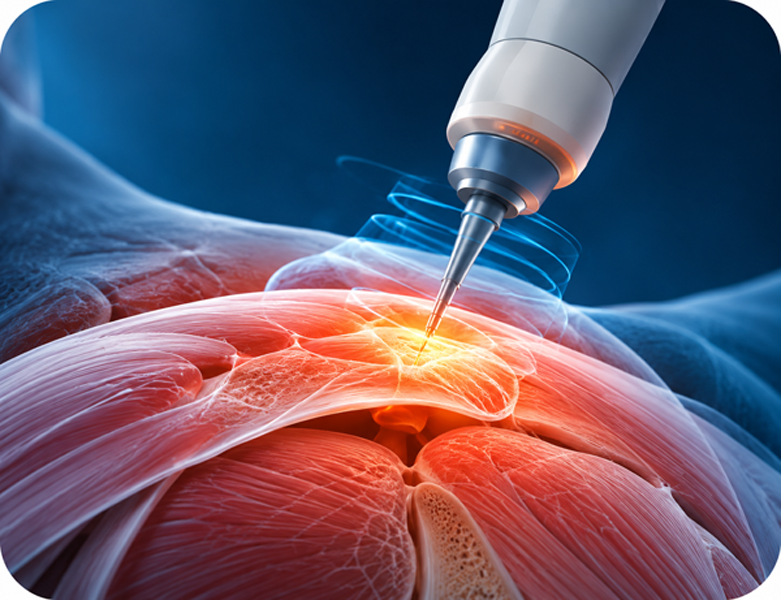
Percutaneous tenotomy uses ultrasound guidance and a very small opening to break up and remove selected degenerative tendon tissue. The goal is not simply to irritate the tendon; it is to clear focal unhealthy tissue and create a more favorable surface for the healing process that follows.
Ultrasound-guided, minimally invasive procedure
Removes or disrupts unhealthy, degenerative tissue
Helps create a healthier environment for healing
Often used for chronic, stubborn tendon problems
Sometimes They Work Best Together
For selected degenerative tendons, tenotomy and regenerative treatment may complement one another. Tenotomy changes the local mechanical environment by addressing unhealthy tissue, while PRP supports the biology of the repair response. One prepares the ground; the other may help support what grows there. The treatments may be performed together or staged depending on the tendon, degree of degeneration, and recovery plan.
1. REMOVE
Clear unhealthy degenerative tissue with tenotomy
2. SUPPORT
Add healing signals with PRP
3. REBUILD
A healthier tendon environment
Tendons Where This Decision Commonly Comes Up
These approaches may be considered for a range of chronic tendon problems.
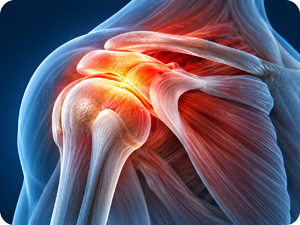
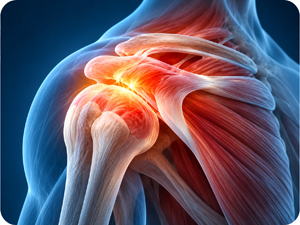
Rotator Cuff Tendons
Chronic tendinopathy and partial tears.
Gluteus Medius/Minimus
Lateral hip pain often labeled “trochanteric bursitis.”
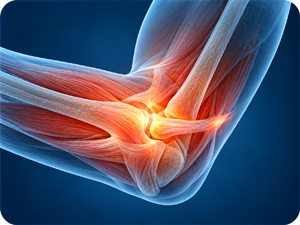
Tennis or Golfer’s Elbow
Chronic tendon degeneration at the elbow.
Patellar Tendon
Anterior knee pain and tendinopathy.
Achilles Tendon
Chronic degeneration and overuse injuries.
Plantar Fascia
Chronic heel pain and degenerative changes.
Why Imaging Alone Is Not Enough
Ultrasound can show tendon thickening, tearing, calcification, or degenerative tissue, but treatment still depends on where the pain is coming from, how the tendon behaves under load, and whether surrounding mechanics are continuing to overload it.
When Surgery May Be Better
Complete ruptures, major tendon retraction, significant loss of function, unstable avulsions, or injuries unlikely to recover adequately without repair may require surgical evaluation.