

SPINE CONDITION

Post-Surgical & Peri-operative Pain

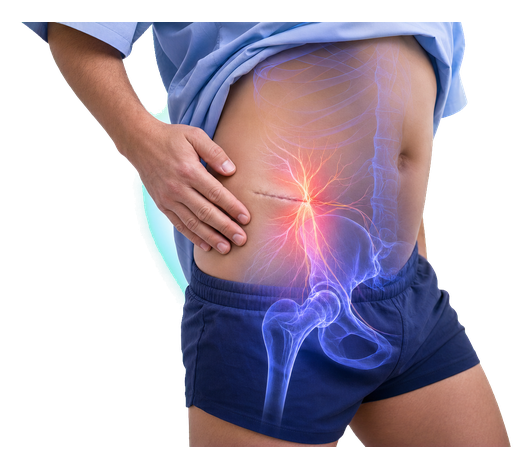
Post-surgical pain has a way of feeling like a betrayal — you did the hard part, followed every instruction, and expected to be on the other side of it by now. Post-operative pain can come from scar tissue, an irritated nerve, hardware, or an original problem that surgery didn't fully resolve, and it's one of the most frustrating kinds of pain because everyone — including you — expected the surgery to be the fix. But identifying what's actually driving pain after surgery, rather than assuming it's just "normal healing" indefinitely, is what changes the trajectory back toward recovery. At Wellward, we don't guess based on where it hurts or what your surgeon's notes say. We find the real source first.

Does This Sound Familiar?

Post-surgical pain can feel like it should be better by now but isn't, a tightness or pulling sensation around your scar, numbness or tingling that wasn't there before surgery, or a joint that's stiffer than anyone told you to expect. It can flare with movements that seem unrelated to the original procedure.

It doesn't just change your recovery timeline. It changes your trust in the process, your patience, whether you believe things will actually get better. When "give it more time" stops being a satisfying answer, it's time for a different kind of evaluation.

If several of the statements feel familiar, the next step is not guessing. It may be time for a more complete evaluation of what is actually driving your pain.

Do you…

If several of these feel familiar, the next step isn't guessing — it's a real answer.

  • Feel like your recovery stalled well past when you expected to feel better?
  • Notice numbness, tingling, or altered sensation near your surgical site?
  • Feel tightness or pulling around your scar that limits your movement?
  • Wonder if what you're feeling is hardware, scar tissue, or something that was missed?
  • Feel like no one has fully explained why you feel as bad as you do?

What Causes Post-Surgical Pain?

Pain after surgery usually comes from one of a few places: the healing process itself creating scar tissue or stiffness, a nerve that was affected during the procedure, hardware that's irritating nearby tissue, or — sometimes — a contributing problem the original surgery didn't address.

Whichever it is, your body often keeps protecting the area long after it needs to: guarding movement, avoiding certain positions, compensating with other muscles and joints. That protective pattern can become its own source of pain over time. And confusingly, where you feel it now may not point to where the actual problem is.

Scar Tissue & Adhesions

Tissue that forms during healing can bind down nerves, muscles, or joints, restricting motion and causing pain.
Nerve Injury from Surgery

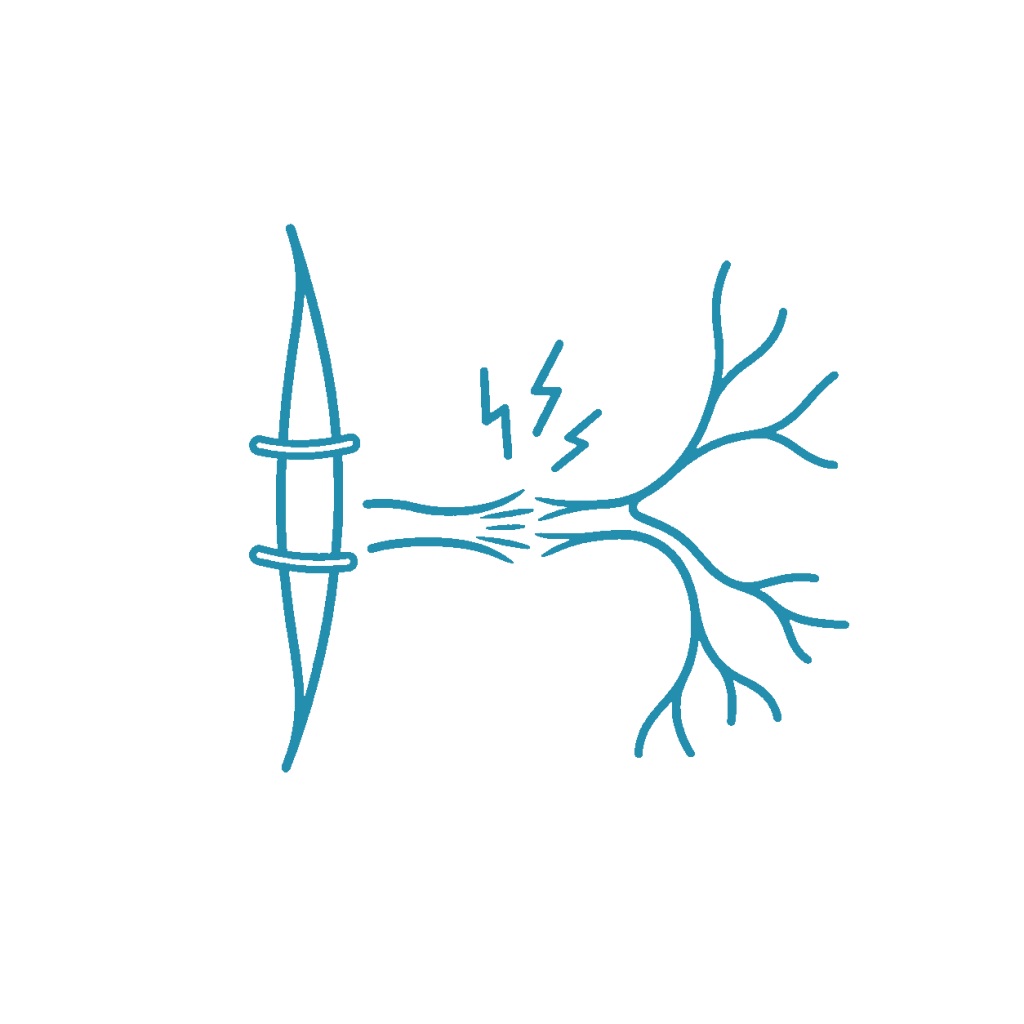
Nerves near a surgical site can be stretched, irritated, or affected during a procedure, leading to persistent pain, numbness, or altered sensation.
Hardware-Related Pain

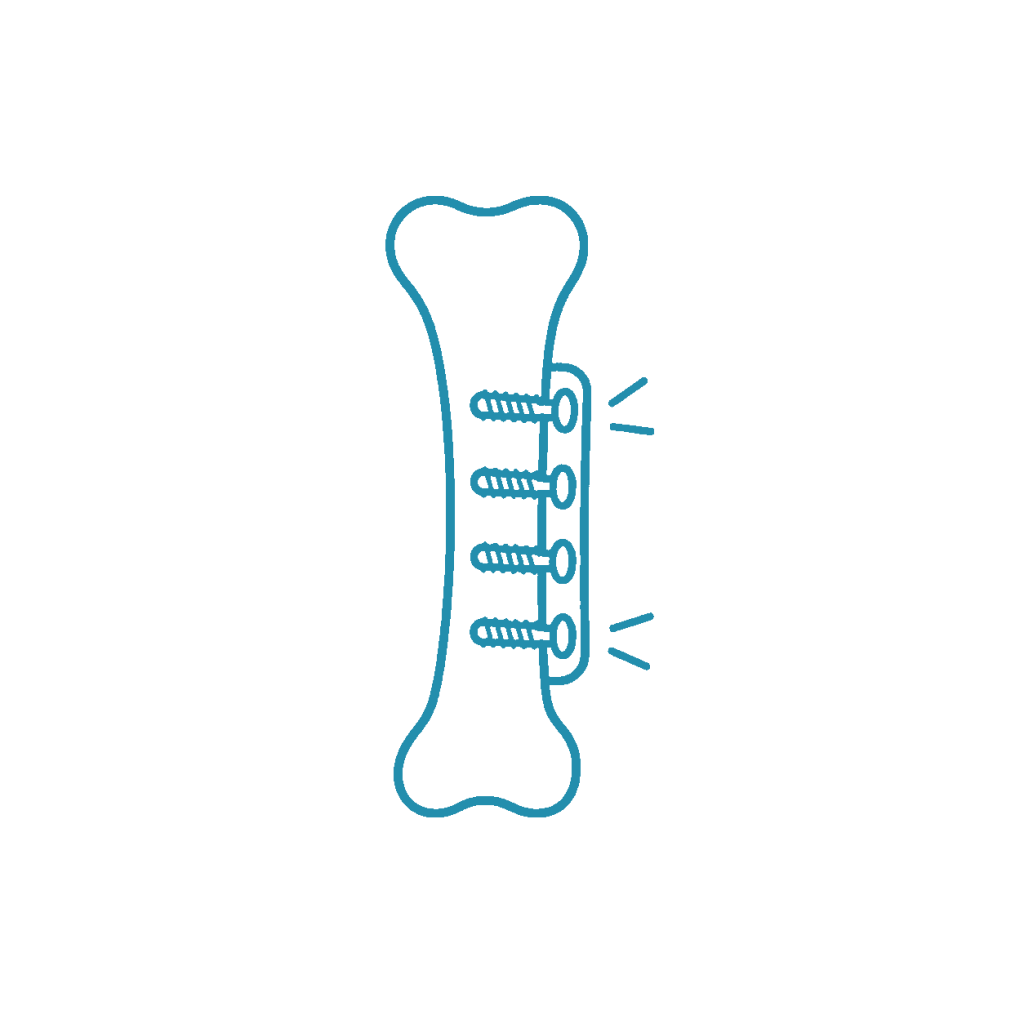
Plates, screws, or other surgical hardware that irritate the surrounding tissue.
Incomplete Resolution of the Original Problem

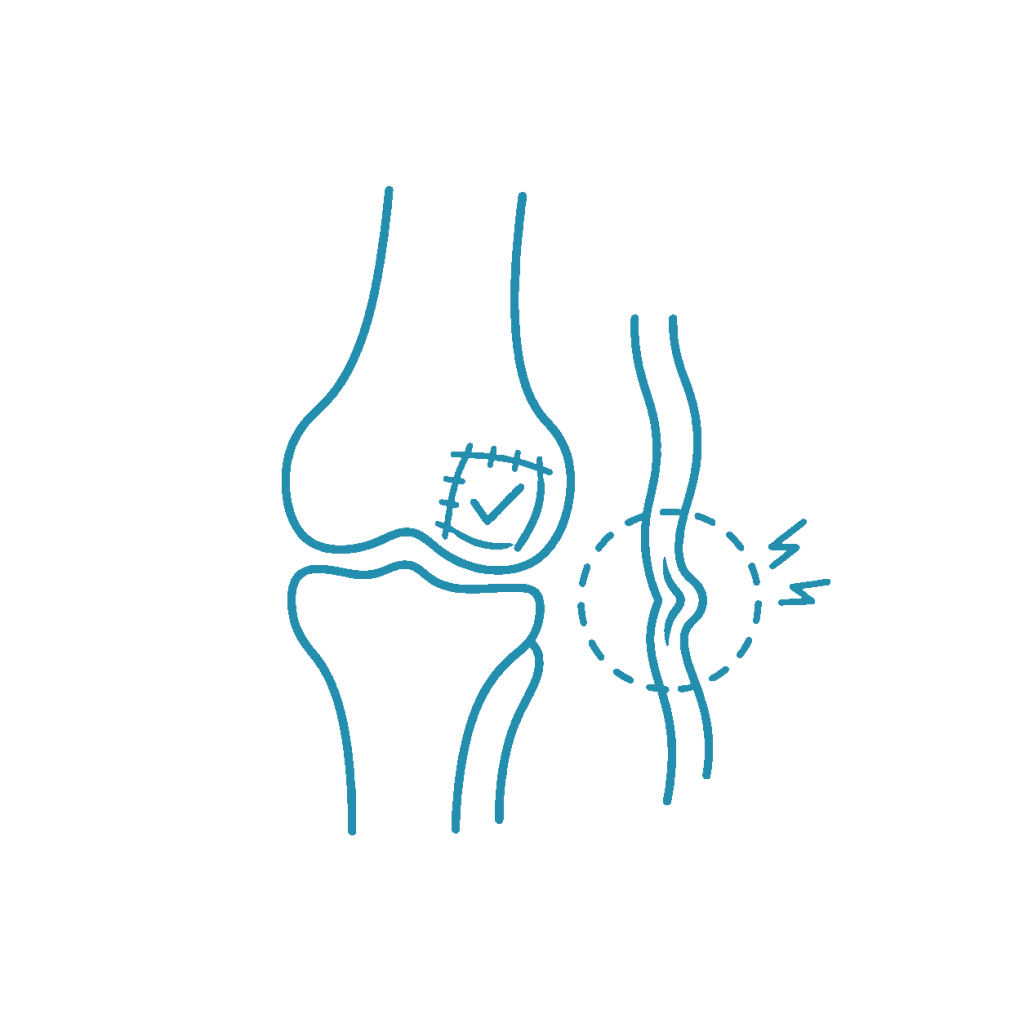
Sometimes surgery addressed one issue, but pain persists because another contributing structure was never identified or treated.
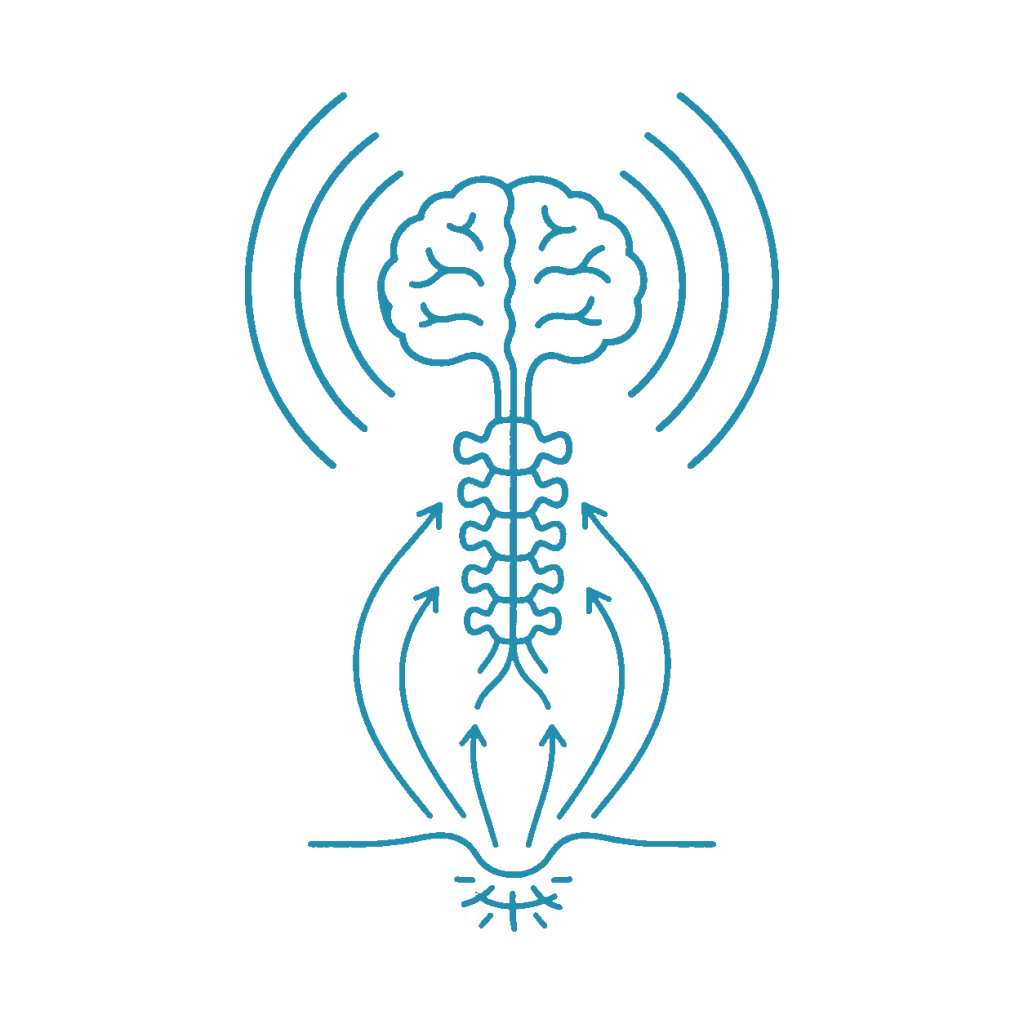
Central Sensitization from Prolonged Pain

Pain that continues long enough before or after surgery can sensitize the nervous system, so pain persists even after tissue has physically healed.
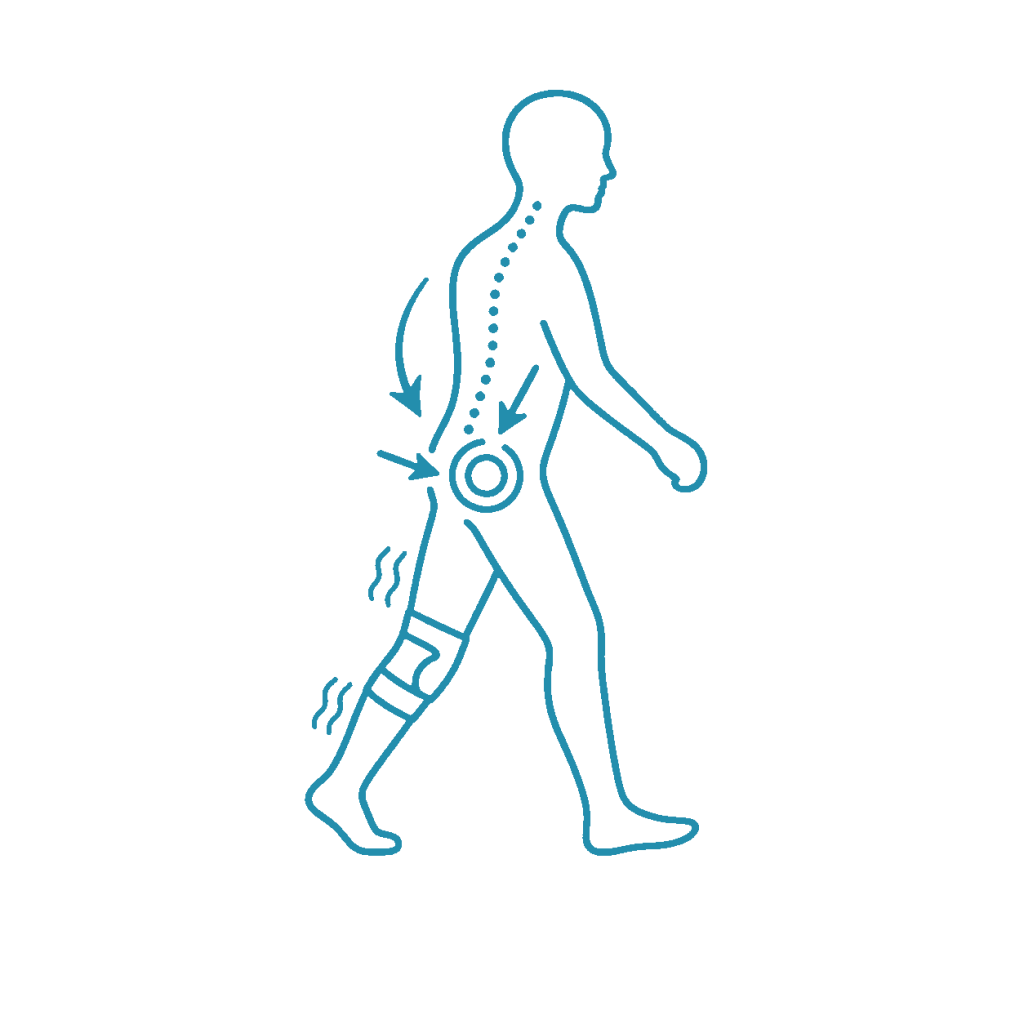
Deconditioning & Compensation Patterns

Extended immobility or protecting the area after surgery can create new problems in the muscles and joints around it.

Related Conditions

Persistent pain after surgery isn't one diagnosis — it's an umbrella that covers scar tissue, nerve involvement, hardware irritation, and incomplete resolution of the original problem, and they can feel frustratingly similar. That overlap is exactly why so many people are told to "give it more time" long after more time has stopped being the answer.

Peri-operative Pain

Pain throughout the surgical period has many more treatment options than just medications alone.

Learn More

Failed Back Surgery Syndrome

Continued or new pain following spine surgery.

Learn More

Post-Joint Replacement Pain

Ongoing pain, stiffness, or dissatisfaction after a hip, knee, or shoulder replacement that hasn't fully resolved.

Learn More

Post-Mastectomy Pain Syndrome

Chronic chest, underarm, or arm pain following breast cancer surgery, often nerve-related.

Learn More

Post-Surgical Scar Tissue Pain (Adhesions)

Tightness, pulling, or restricted motion around a surgical site.

Learn More

Post-Surgical Nerve Entrapment or Injury

Numbness, tingling, or altered sensation following a procedure.

Learn More

Hardware Pain or Irritation

Localized pain at the site of surgical plates, screws, or implants.

Learn More

How Wellward Evaluates Post-Surgical Pain

Pain after surgery deserves the same precision as pain before it — we don't assume it's just part of healing. Every plan is built on four things:

Your Story

Your surgical history, how your recovery has actually gone, what's been tried since, and what "better" would look like for you.

Movement & Load

How you move now compared to before surgery, and which specific movements reproduce your pain.

Structure & Imaging

We review your imaging and surgical history in context, and when we need a closer look at scar tissue, hardware, or a nerve, live ultrasound [→ /diagnostics/ (Diagnostic Ultrasound)] lets us see it directly.

Pain Mapping

Instead of assuming it's "just scar tissue" or "just healing," we test each possible structure directly [→ /diagnostics/ (Pain Mapping)] with targeted diagnostic injections until we know exactly what's still driving your pain.

Treatment Pathways

Your plan depends entirely on what Pain Mapping finds — scar tissue, nerve, hardware, and unresolved structural issues are treated very differently.

Conservative

Scar tissue mobilization, hands-on manual therapy [→ /manual-movement-based-therapies/], and a structured return to movement resolve a lot of post-surgical pain on their own. When more is needed, we add targeted nerve blocks or hydrodissection to release scar tissue [→ /interventional-pain/] to break the cycle. And for nerve pain that's proven stubborn despite those steps, options like a peripheral nerve stimulator or spinal cord stimulator trial can offer meaningful, longer-term relief by changing how pain signals reach the brain in the first place — worth discussing before assuming you're out of options.

Regenerative

For tissue that's struggling to fully heal or remodel after surgery, we can draw your own cells same-day and pair them with PRP or other orthobiologic injections [→ /regenerative-therapies/] to support more complete repair — used once your evaluation confirms it's the right fit for what's actually going on.

What Patients Experience

Real stories. Real outcomes.

Patient testimonial will be placed here.

John Carter
Businessman

Patient testimonial will be placed here.

John Carter
Businessman

Broader Support When Pain Goes Deeper

This isn't only for pain that's already dragged on. If you're heading into surgery, getting evaluated before or immediately after can mean a recovery plan built around non-opioid or minimal-opioid pain management from day one — not just cleanup months later once a pattern has already set in. Timing matters as much as treatment. And when recovery after surgery is complex or prolonged, additional support — including help processing a recovery that hasn't gone as expected — can help.

Warrior Program

Advanced support for complex tissue, nervous system sensitization, and persistent pain.

Learn More

Pain Coaching

One-on-one coaching to build resilience, improve habits, and restore confidence.

Learn More

Neural Reset Program

A science-based program to calm the nervous system and reduce chronic pain signals.

Learn More

Surgery or Urgent Evaluation

In some cases, surgery or urgent evaluation may be the safest or most appropriate path. We will help you understand all options

Learn More

Common Questions About Post-Surgical & Peri-operative Pain

How soon can I get in to be seen?

Most new patients can schedule a discovery call within one business day. We know how derailing pain can be, so we work hard to get you seen within a week.

How much does post-surgical pain treatment cost, and is it covered by insurance?

It depends on your diagnosis and what's recommended. Diagnostic and conservative care is often covered by insurance, while some regenerative therapies are not. We'll walk through your options and costs on your discovery call, so there are no surprises before you start.

Is it normal to still have pain after surgery?

Typically yes, but how it's controlled and monitored by experts who understand pain can differentiate between normal healing and an indication of problems. We shepherd patients through the hard times and stay vigilant for problems before they occur, and when problems do occur or were unavoidable, we help temper the issue as much as possible.

Can scar tissue actually cause pain years after surgery?

Yes. Scar tissue can bind down nerves, muscles, or joint structures long after the visible incision has healed, and it doesn't always resolve on its own. It's a real, testable, and treatable source of persistent pain.

Does stem cell therapy help with post-surgical pain?

It can, for the right cause — particularly tissue that's struggling to remodel after surgery. It's not the right fit for hardware irritation or permanent nerve damage, which is why identifying the actual cause matters more than the treatment itself.

Would I need another surgery?

Not usually. Most persistent post-surgical pain responds to non-surgical treatment once the actual driver is identified. Revision surgery is considered only when there's a clear structural reason for it — like hardware failure or an unresolved issue that genuinely requires it.

Ready to Understand What Is Driving Your Post-Surgical & Peri-operative Pain?

Take the next step toward lasting relief.

Take the Readiness Quiz

Find out if our approach is right for your condition.

Schedule a Discovery Call

Talk with our team and get answers to your questions.

Ready to Find Out What's Really Driving Your Pain After Surgery?

Take the next step toward the recovery you were told to expect.